
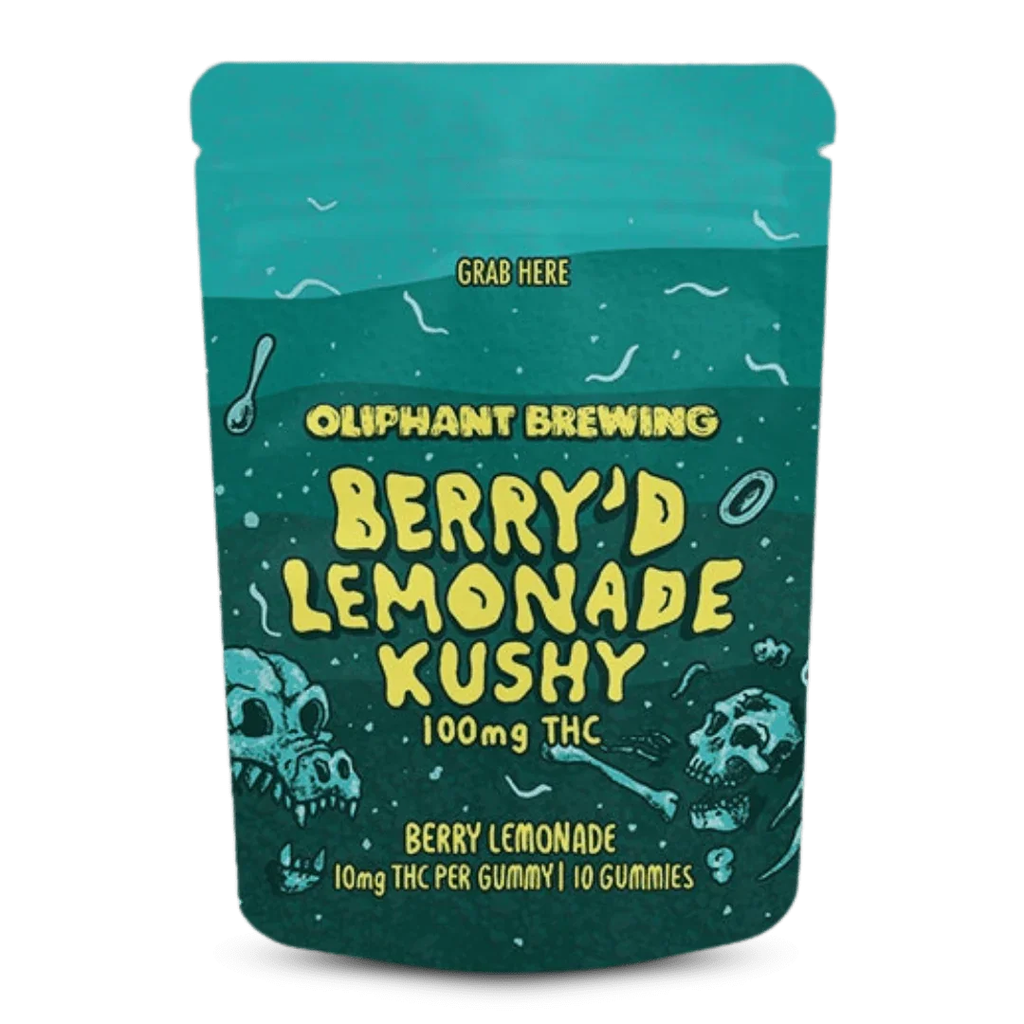
Cannabis edibles have moved into a more visible part of the broader cannabis conversation, with gummies attracting particular interest because they are discreet, familiar, and easy to portion when products are clearly labeled. Current industry discussion is increasingly focused not only on flavor and convenience, but also on transparency, product testing, cannabinoid blends, and responsible consumption. For anyone researching potent thc gummies, understanding these trends is more useful than simply focusing on strength.
The growing attention around edibles also comes with an important reminder: THC affects people differently, and edible products can produce delayed and longer-lasting effects than inhaled cannabis. A recent scientific review highlights the distinct safety considerations associated with oral THC, including delayed effects, variability between individuals, and the possibility of accidental overconsumption.
Why Gummies Are Receiving So Much Attention
Gummies have become one of the most recognizable forms of cannabis edibles. Their appeal is partly practical. Unlike products that require inhalation, gummies are consumed orally and can be packaged as individual pieces or clearly defined servings.
Current product development is also moving beyond simple fruit-flavored options. Industry trend reports point toward greater experimentation with nostalgic flavors, unusual combinations, botanical profiles, and products designed around different consumer preferences.
This shift reflects a broader change in how consumers evaluate cannabis products. Instead of asking only whether a product is strong, people are increasingly interested in what is actually inside it and whether the information on the label can be trusted.
Potency Is Only One Part of the Picture
THC concentration naturally attracts attention, but potency does not tell the entire story. Two products with similar THC amounts can feel different because of formulation, individual sensitivity, metabolism, other cannabinoids, and whether the person has previous experience with cannabis.
The way THC is processed after ingestion is also important. Oral THC goes through digestion and first-pass metabolism, which contributes to a different experience compared with inhaled cannabis. Research has identified delayed onset and prolonged effects as important characteristics of edible THC.
That is why a responsible approach involves looking beyond a large number on a package.
Important label details can include:
- THC per serving: This helps distinguish the amount in one serving from the total amount contained in the package.
- Total THC: The overall amount can be substantially different from the amount in an individual piece.
- Other cannabinoids: CBD and other cannabinoids may be included, making the formulation different from a THC-only product.
- Serving information: Clear serving guidance makes it easier to understand what the manufacturer considers one serving.
- Testing information: Independent laboratory results can provide useful information about cannabinoid content and product quality.
The Rise of Transparency in Cannabis Products
One of the most noticeable developments in the edible category is greater attention to transparency. Consumers are becoming more interested in laboratory testing, ingredient lists, manufacturing information, and accurate cannabinoid labeling.
This matters because research has found inconsistencies in how cannabis edibles are presented and marketed. A large analysis of edible products found that gummies represented more than half of the products examined, while serving information was not consistently provided. The research also raised concerns about packaging and marketing elements that could make products appear more like ordinary food.
For consumers, transparency provides a better foundation for making informed decisions. A product should not need exaggerated claims or confusing terminology to communicate what it contains.
Understanding New Cannabinoid Formulations
Another developing trend is the expansion of cannabinoid combinations. Products may contain THC alongside CBD, CBN, CBG, or other compounds. Manufacturers often use these combinations to create distinct product profiles.
However, a longer ingredient list does not automatically mean a better product. Research into emerging cannabinoids continues to develop, and there are still gaps in scientific knowledge surrounding some newer compounds and formulations.
This is where careful reading becomes important. Consumers should distinguish between information supported by established research and marketing language that simply sounds scientific.
A thoughtful approach is to ask:
- What cannabinoids are actually present?
- Is the amount of each cannabinoid clearly identified?
- Does the laboratory documentation match the package?
- Are the product claims supported by credible evidence?
These questions can help separate meaningful product information from promotional messaging.
Flavor Innovation Is Changing the Gummy Experience
Flavor has become another major area of innovation. Cannabis gummies are no longer limited to a narrow selection of familiar fruit flavors. Product developers are exploring combinations inspired by desserts, beverages, herbs, spices, and nostalgic foods.
This trend makes edibles more approachable, but it also creates an important distinction between appearance and contents. A gummy may look and taste like ordinary candy while containing an active psychoactive compound.
That difference deserves attention, particularly in households where children or pets may be present. Cannabis edibles should always be kept securely away from anyone who could accidentally consume them.
Research has specifically identified food-like packaging and appealing visual elements as concerns because they can increase the possibility of unintended consumption.
What Responsible Consumption Looks Like
Responsible consumption begins with understanding that edible cannabis is not simply another type of snack. THC-containing products can affect perception, coordination, attention, and judgment.
A cautious mindset is therefore more valuable than chasing maximum potency. People who choose to consume cannabis should follow applicable laws, read the product label carefully, avoid combining THC with other intoxicating substances, and refrain from driving or operating machinery while impaired.
It is also important to recognize that edible effects can be difficult to predict. Individual metabolism, previous cannabis exposure, body chemistry, food intake, and other factors can influence the experience.
For people taking medications or dealing with health concerns, discussing cannabis use with a qualified healthcare professional can also help identify potential risks or interactions.
A Growing Focus on Product Quality
As the edible category matures, quality is becoming a broader concept. It can involve ingredient sourcing, manufacturing standards, cannabinoid accuracy, packaging, testing, and clarity of communication.
This is an area where established beverage and food-production principles can offer useful perspective. Oliphant Brewing illustrates how consumers have become accustomed to learning about what goes into the products they choose, even though cannabis edibles have their own regulatory and safety considerations.
The same general principle applies: consumers benefit when product information is straightforward, accessible, and supported by reliable documentation.
Packaging and Labeling Matter More Than They Seem
Packaging is often treated as a design element, but for cannabis edibles it also serves a safety function. A well-designed package should make the product category clear, communicate cannabinoid information accurately, and provide relevant warnings.
Clear labeling can help reduce confusion between individual serving amounts and total package contents. It can also help adults recognize that an edible contains THC even when the product resembles a conventional confection.
Regulations differ by jurisdiction, so consumers should always check the rules that apply where they live. Some regulatory frameworks place specific restrictions on THC amounts, packaging, labeling, ingredients, and promotional practices.
The Importance of Looking Past Marketing Claims
The cannabis market has become increasingly sophisticated, which means marketing language can sometimes make products appear more straightforward than they really are.
Terms suggesting exceptional strength, wellness benefits, rapid effects, or specialized experiences should be considered carefully. A compelling product description is not the same as scientific evidence.
Research examining cannabis edible marketing has found that health-oriented language and food-style imagery can influence perceptions of risk.
A better approach is to focus on verifiable information. Look for clear cannabinoid amounts, ingredient details, appropriate warnings, and credible testing rather than relying on bold claims.
Where the Edible Category Is Heading
The current direction of the edible market suggests that consumers will continue to see greater variety. Gummies are likely to remain important, while beverages, chocolates, baked products, and newer formats continue to develop.
At the same time, safety and transparency are becoming increasingly important parts of the conversation. Recent research has called for reliable labeling, validated testing methods, child-resistant packaging, and stronger monitoring of adverse events.
That combination of innovation and accountability could ultimately benefit consumers. More choices are useful when people also have the information needed to understand those choices.
Making More Informed Decisions
The most useful trend in cannabis edibles may not be a new flavor or cannabinoid combination. It may be the growing emphasis on informed decision-making.
Instead of judging an edible solely by its appearance, flavor, or THC concentration, consider the complete product picture. Check the label, understand the serving information, review available testing documentation, and consider whether the product is appropriate for your circumstances.
Remember that a stronger product is not automatically a better product. The right choice depends on legality, individual circumstances, product transparency, and responsible use.
Conclusion
The evolution of cannabis gummies reflects a broader shift in consumer expectations. People are looking for products that offer convenience and variety, but they are also paying closer attention to ingredients, potency, testing, packaging, and responsible consumption.
As the category continues to develop, informed consumers will be better positioned to distinguish meaningful product information from marketing hype. Understanding how edible THC works, recognizing the importance of accurate labeling, and taking safety seriously can make the conversation around cannabis products more balanced and useful.
Ultimately, responsible choices begin with reliable information. If you want to understand product details, safety considerations, or the broader world of cannabis beverages and edibles, Contact us for more information and guidance.

