
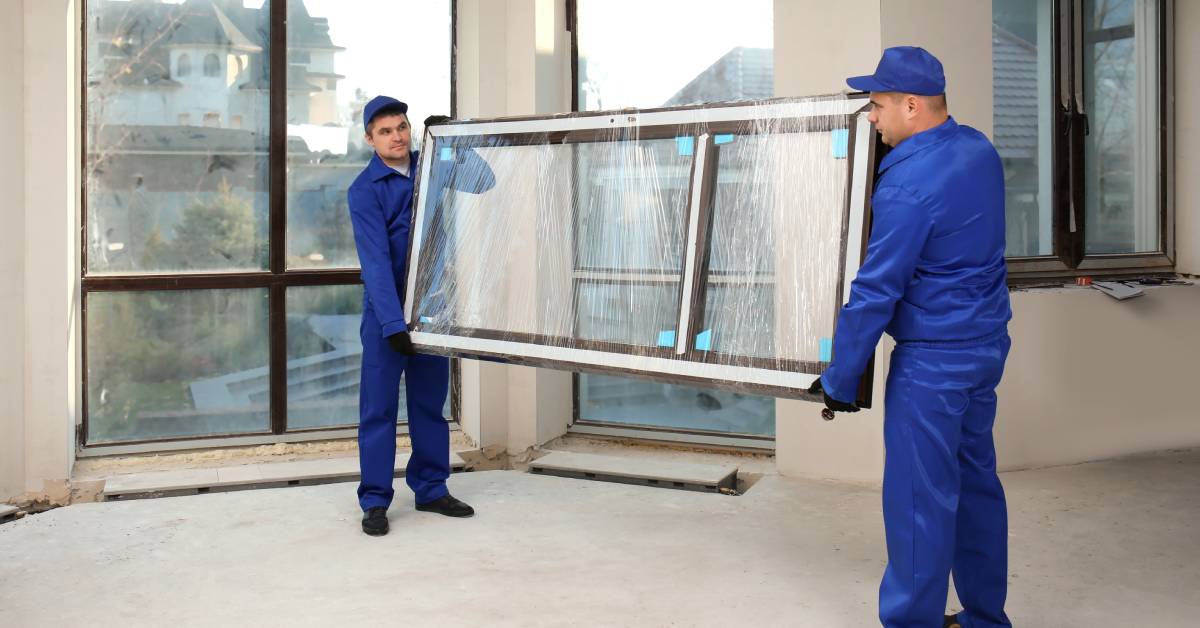
Damaged business glass can look like a simple pane that needs to be swapped out, but the actual replacement process involves more than removing broken material and fitting a new piece. Contractors inspect the opening, identify the glass type, protect the work area, prepare the frame, and make sure the finished installation performs as intended. Understanding each stage helps building owners know what to expect from a commercial glass replacement project and why careful preparation matters.
The Existing Glass and Frame Get Checked First
Before any glass comes out, technicians examine the entire opening to understand what caused the problem and what needs to be replaced. Cracks, failed seals, loose glazing, damaged frames, corroded metal, water marks, and worn gaskets can all affect the scope of the job. Measuring the visible pane alone is not enough because the replacement must match the frame dimensions, thickness, safety requirements, tint, coating, and glazing system already in place.
Careful inspection also helps determine whether the project involves one damaged unit or a larger commercial window replacement. A frame that has shifted, rusted, or lost its ability to hold glazing securely may need additional work before new glass can be installed. Contractors may also check surrounding sealants and drainage paths so an existing leak or structural problem does not continue after the new pane goes in.
Measurements and Glass Specifications Have to Match
Accurate dimensions determine whether replacement glass will sit correctly inside the opening. Technicians measure width, height, thickness, edge clearances, frame depth, and other details that influence fabrication. Safety glass may require especially precise measurements because tempered material cannot normally be cut or resized after it has gone through the tempering process.
Different commercial spaces can also call for different products. Storefronts may use tempered glass, office windows may contain insulated units, and certain buildings may have laminated, tinted, coated, or specialty glazing. Anyone searching for commercial glass replacement near me may notice that contractors often gather detailed specifications before ordering material rather than bringing a standard pane and trimming it on site.
The Work Area Is Secured Before Removal Begins
Safety preparation starts before technicians touch damaged glass. Workers may block off nearby walkways, move furniture or merchandise, place protective coverings, and create a controlled area around the opening. Broken panes can release sharp fragments unexpectedly, especially when cracks have reached the edges or the glass remains under pressure inside the frame.
Protective equipment also plays an important role during removal. Gloves, eye protection, handling tools, suction equipment, and suitable containers help crews manage large or unstable pieces safely. Businesses may need to redirect customers or employees temporarily, particularly if the work involves an entrance, public walkway, reception area, or another heavily used part of the property.
Old Glazing Materials Are Removed Without Damaging the Opening
Removing the original pane requires more care than simply breaking it apart. Contractors often need to take out stops, caps, sealants, glazing tape, gaskets, or other components that secure the glass inside the frame. Preserving reusable frame sections can keep a straightforward commercial glass replacement from becoming a more extensive rebuilding project.
Once the pane is free, technicians clean the opening and remove hardened sealant, debris, broken glass, and deteriorated setting materials. Remaining residue can prevent new glazing from sitting evenly or sealing properly. Preparation at this stage creates a clean surface for the replacement unit and gives workers another chance to spot hidden corrosion, moisture damage, or frame defects.
New Glass Is Set With Support and Clearance in Mind
Installation begins by positioning the replacement glass so its weight rests where the glazing system was designed to carry it. Setting blocks and related supports help keep the pane from sitting directly against hard frame surfaces. Correct spacing also allows limited movement as glass and framing expand or contract with changing temperatures.
Proper alignment matters during both commercial window installation and replacement work. Installers check that the pane remains square, centered, and adequately supported before securing the surrounding components. Glass placed too tightly against the frame can experience concentrated stress, while excessive gaps may create problems with sealing, movement, or appearance.
Seals and Glazing Components Finish the Weather Barrier
After positioning the glass, crews reinstall or replace the materials that hold and seal it. Depending on the system, these components may include glazing beads, pressure plates, caps, gaskets, tapes, or sealants. Their job extends beyond keeping the pane from moving because they also help control water and air around the perimeter.
Fresh sealing work receives close attention during commercial window replacement because even high-quality glass can perform poorly if the surrounding joints allow moisture inside. Technicians may inspect exterior sealant lines, frame corners, weep openings, and transitions between the window system and building wall. Proper finishing helps the assembly handle weather without trapping water where it can damage nearby materials.
Final Checks Confirm the Glass Works With the Building
Completion involves more than wiping fingerprints from the new pane. Technicians examine alignment, seals, frame contact, surface condition, and the stability of installed components. Operable windows may be opened and closed, while storefront doors can be checked for clearance and smooth movement after a commercial door glass replacement.
Additional attention often goes to hardware when door glass is involved because hinges, pivots, closers, rails, or handles can place stress on a newly installed panel if they are misaligned. North Alabama Glass provides commercial glass services for businesses dealing with broken storefront panes, window damage, and door glass problems, helping property owners evaluate the opening and complete commercial glass replacement with the correct glass, fit, and supporting materials for the existing system.

