
Key Takeaways
- Smart leak detectors offer round-the-clock monitoring and early warnings to limit water damage.
- Touchless and self-adjusting fixtures help lower water consumption and improve sanitary conditions.
- Tankless water heaters are efficient, providing endless hot water and savings on energy bills.
- Greywater systems dramatically reduce household water use through reuse and recycling.
- Consistent upkeep is essential for smart plumbing components, ensuring reliability and longevity.
Dealing with plumbing issues at home can be a daunting experience, often disrupting the flow of daily life and increasing the risk of costly repairs. In today’s tech-driven era, however, homeowners have more options than ever to combat common plumbing frustrations with innovative tools and systems. Whether it’s preventing major leaks or reducing water waste, smart technology can be a game-changer for home plumbing. For urgent and unexpected issues, emergency plumbing services in Annapolis – local specialists are also available to provide immediate expert help, ensuring that professionals swiftly address problems.
Adopting the latest advancements doesn’t just offer a quick fix—it also helps homeowners protect their investment, conserve resources, and build a safer, more sustainable living environment. By leveraging intelligent devices for everyday concerns, households can mitigate damage, lower costs, and enhance convenience while promoting good hygiene and safety.
Smart Leak Detection Systems
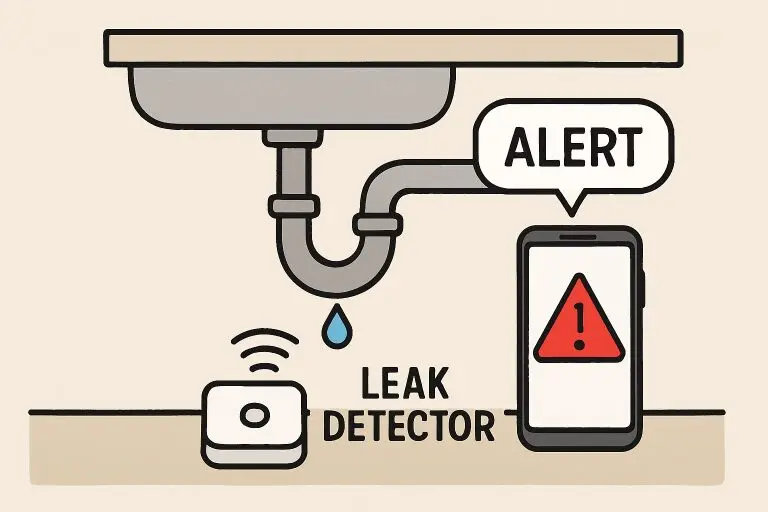
Hidden leaks are one of the most serious threats to a home’s structure, often causing significant damage before they are discovered. Smart leak detection systems have revolutionized the way homeowners manage this risk. These devices use advanced sensors and AI-powered analytics to monitor water flow and pressure throughout the plumbing system, delivering instant alerts of any unusual activity directly to your smartphone.
Some top-tier models even offer an automatic shutoff feature. If a leak is detected, these systems can cut the main water line to prevent extensive flooding and further property loss. This technology acts as both an early warning and a first-response measure, empowering homeowners to take action before small problems become catastrophes.
Touchless and Self-Adjusting Fixtures
Touchless plumbing fixtures have soared in popularity, especially in kitchens and bathrooms where sanitation matters most. Motion-activated faucets and self-adjusting showers not only boost hygiene—reducing the transmission of germs—but also help cut household water use significantly.
Modern sensor-based faucets can conserve up to 30% of water by delivering it exactly when and where it’s needed. Self-adjusting fixtures take the guesswork out of water temperature and flow, adjusting levels for tasks like handwashing versus filling pots. These upgrades are not just about luxury or convenience; they represent a meaningful step toward reducing waste and supporting public health.
Tankless Water Heaters
The move toward tankless water heaters represents a major innovation in home utility management. Traditional heaters continuously store and reheat water, leading to ongoing energy consumption—even when you’re not using hot water. Tankless styles, in contrast, elevate efficiency by heating water solely on demand, providing an endless supply right when you need it and minimizing standby losses.
Compact and adaptable, tankless units can lower utility bills and save valuable storage space, making them an excellent fit for modern lifestyles. Many models are even Wi-Fi enabled, letting homeowners monitor their system’s performance remotely and receive alerts for maintenance needs or problems.
Greywater Recycling Systems
As environmental concerns grow, greywater recycling systems are gaining traction among eco-minded homeowners. These systems filter and sterilize water collected from sources like sinks, showers, and washing machines, redistributing it for secondary uses such as irrigation or toilet flushing. Through this process, a significant portion of household water—up to 45%—can be reused, slashing total consumption and reducing utility costs.
Greywater solutions support sustainable living by reducing reliance on fresh water and decreasing the strain on municipal systems.
Regular Maintenance of Smart Plumbing Devices
Smart plumbing devices are engineered for convenience and durability, but like all home systems, they require periodic check-ups to keep performing their best. Overlooked maintenance can diminish performance and even void warranties, so it’s wise to set reminders for routine inspections. Regularly test leak detectors, clear minerals or debris from touchless sensors, and monitor water pressure to avoid surprises.
Many devices now offer automated maintenance alerts or integrate with smart home platforms, helping homeowners stay proactive and minimize the need for unexpected repairs. Staying on top of these simple tasks can extend the lifespan of your investment and ensure peace of mind.
Conclusion
Integrating smart solutions into household plumbing is more than a convenience—it’s a protective strategy for the home, wallet, and environment. Smart detectors, efficient fixtures, tankless heaters, and greywater systems all offer clear benefits, but require regular care to deliver lasting results. As new technologies emerge and evolve, embracing these advancements will only become more essential to safe, efficient, and sustainable home living.

