

Key Takeaways
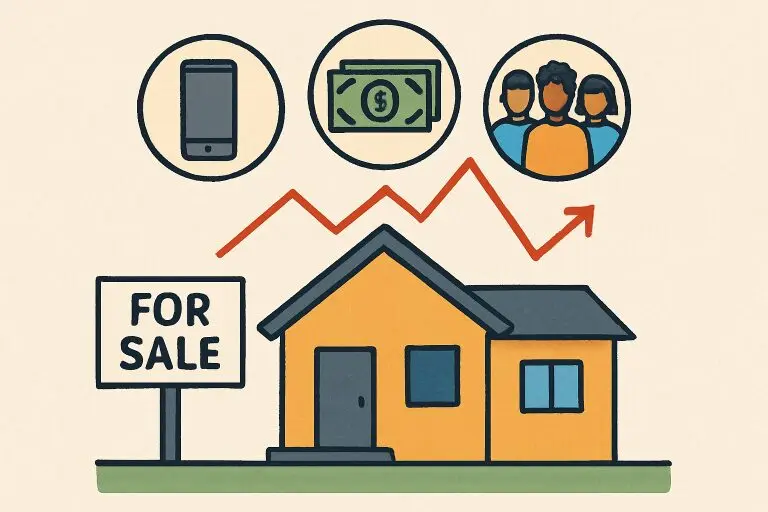
- Mortgage rates are fluctuating, creating new affordability concerns for buyers in many regions.
- Technology continues to modernize and streamline the homebuying process, making digital access essential.
- The rise of millennial and Gen Z buyers is driving demand for modern amenities and new buying experiences.
- Economic challenges, including high mortgage rates and slow sales, continue to shape the landscape for both buyers and sellers.
Table of Contents
- Mortgage Rates and Affordability
- Technological Advancements in Homebuying
- Demographic Shifts in the Housing Market
- Economic Factors Influencing Homebuying
- Conclusion
The homebuying landscape in 2026 is experiencing rapid changes, with market shifts affecting affordability and access in significant ways. As buyers navigate a challenging environment, understanding the forces at play can help position them for success when searching for the right property. For those interested in Florida’s dynamic market, exploring options like Lakewood Ranch, FL Homes for Sale shows how local trends mirror national movements. Whether you’re a first-time buyer or a seasoned homeowner, the trends shaping real estate this year are critical to informed decision-making.
Rising mortgage rates, evolving buyer demographics, technological innovations, and persistent economic fluctuations all contribute to shifting expectations for buyers and sellers alike. Today’s market is defined by a blend of unpredictability and new opportunities, stemming from both economic and social changes. Keeping up with these trends is not only recommended but essential for anyone hoping to buy or sell in a competitive environment.
At the heart of these changes are questions about affordability and access. As inventory challenges and rising home values shape what is available, evaluating how broader economic patterns influence local opportunities is more important than ever. Technological conveniences are now standard, fundamentally reshaping how buyers search for and secure homes.
This article provides an overview of the most influential trends in homebuying for 2026, with actionable insights for today’s market participants.
Mortgage Rates and Affordability
Mortgage rates will remain a key barrier for many prospective homeowners. Recent months have seen rates hover near 7 percent, with the average long-term U.S. mortgage rate reaching 6.87 percent in March, up from 6.74 percent the week prior. This uptick has reversed earlier optimism over declining rates, adding pressure to household budgets and making it more difficult for individuals to qualify for loans. According to The New York Times, the volatility in rates is closely tied to Federal Reserve policies and economic uncertainty, creating a climate where timing and preparation are crucial for buyers.
In regions experiencing higher-than-average demand, affordability is further strained by limited inventory and higher home values. Buyers are often caught weighing the trade-offs between locking in a rate now or waiting for potential future dips. This gamble underscores the importance of staying attuned to both local and national market trends.
Technological Advancements in Homebuying
Advances in digital technology have permanently altered how homes are bought and sold. Remote viewings, AI-driven property valuations, automated closing platforms, and robust online loan applications are now common expectations. The convenience and efficiency of these tools save buyers time and allow for more informed decisions from the start of the process. Additionally, real estate agents who leverage technology improve client satisfaction and streamline transactions, factors that can make or break deals in a fast-moving market.
Demographic Shifts in the Housing Market
Demographics are playing a pivotal role in shaping housing demand. Millennials have become the largest share of home buyers, accounting for around 43 percent of transactions. Meanwhile, younger Gen Z buyers are entering the market, undeterred by challenging financial conditions. These generations have distinct preferences around digital communication, smart home technology, sustainability features, and flexible spaces, setting new standards for what is considered desirable and essential in a home.
As Boomers downsize and enter retirement, competition for entry-level homes is intensifying, pushing up prices for starter homes and condos. Generation Z buyers are often focused on affordability, remote-friendly spaces, and walkable neighborhoods, prioritizing convenience and modern features over size. These shifts are forcing sellers and developers to adapt, as success increasingly depends on catering to the needs and values of a younger, tech-savvy audience.
Economic Factors Influencing Homebuying
Economic indicators continue to drive major shifts across the market. U.S. existing home sales dropped 5.9 percent month-over-month, falling to an annualized rate of 4.02 million units, the slowest March since 2009, as reported by The Wall Street Journal. Elevated mortgage rates, stubbornly high prices, and inflation are working together to suppress demand, causing some buyers to extend their timelines or exit the market altogether.
For some, these challenges offer new opportunities, particularly in regions where prices are stabilizing or where sellers are more willing to negotiate. However, the overall climate remains uncertain, and buyers must remain agile, prepared to act quickly when conditions are favorable. Whether pursuing new builds, existing homes, or investment properties, staying informed about economic rhythms is key.
Conclusion
The homebuying environment in 2026 is defined by transformation and challenge. Success in this market demands a keen understanding of mortgage rates, a willingness to embrace technology, awareness of shifting demographics, and sensitivity to ongoing economic pressures. By closely following these trends, buyers can make more confident decisions, position themselves for long-term value, and take advantage of new opportunities in today’s rapidly evolving real estate market.

