
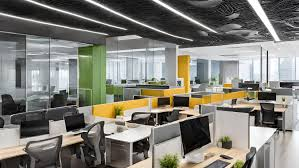
Commercial fit out design is the process of converting an empty space into a fully functional workplace customized to meet a company’s specific requirements. This process includes interior architecture, furniture selection, lighting design, and spatial planning. The primary objectives are to create an environment that supports the business’s operational needs while reflecting its brand identity and organizational culture.
As companies grow and change, their spatial requirements evolve, making fit out design an important investment for organizations seeking to maximize workplace efficiency. Beyond visual appeal, commercial fit out design significantly impacts employee productivity and job satisfaction. A thoughtfully designed workspace promotes teamwork, creative thinking, and innovation.
For example, offices that combine open work areas, informal meeting spaces, and quiet zones accommodate different work styles and individual preferences. The office fitouts in Wollongong require detailed planning and careful implementation to ensure adherence to building codes and safety regulations. Working with qualified designers and contractors is essential to deliver a fit out that achieves the company’s strategic vision and operational objectives.
Sustainable and Eco-Friendly Design
Sustainability has become a cornerstone of modern commercial fit out design, driven by increasing awareness of environmental issues and the need for responsible resource management. Eco-friendly design practices focus on minimizing the ecological footprint of a space while promoting energy efficiency and sustainability. This approach often includes the use of sustainable materials, energy-efficient lighting, and water-saving fixtures.
For example, many designers now opt for recycled or reclaimed materials in their projects, such as reclaimed wood for flooring or recycled metal for fixtures, which not only reduces waste but also adds character to the space. Incorporating sustainable practices into commercial fit outs can also yield significant cost savings over time. Energy-efficient systems, such as LED lighting and smart HVAC controls, can drastically reduce utility bills while improving the overall comfort of the workspace.
Additionally, businesses that prioritize sustainability often find that they attract environmentally conscious clients and employees who value corporate responsibility. By integrating eco-friendly design principles into their fit outs, companies can enhance their brand image while contributing positively to the environment.
Flexible and Multi-Functional Spaces
The demand for flexible and multi-functional spaces has surged in recent years as businesses adapt to changing work patterns and employee needs. Traditional office layouts often confined employees to rigid workstations, which can stifle creativity and collaboration. In contrast, modern fit out designs emphasize versatility, allowing spaces to be easily reconfigured for various purposes.
For instance, a conference room can double as a collaborative workspace or event venue with the right furniture and layout choices. Movable partitions, modular furniture, and adaptable technology are key components in creating these dynamic environments. This flexibility not only accommodates different working styles but also supports a culture of collaboration and innovation.
Employees can choose where and how they work best, whether in quiet zones for focused tasks or open areas for brainstorming sessions. Furthermore, multi-functional spaces can lead to more efficient use of square footage, reducing overhead costs for businesses. As organizations continue to embrace hybrid work models, the ability to create adaptable environments will be essential in attracting and retaining top talent.
Technology Integration in Design
The integration of technology into commercial fit out design has transformed how businesses operate and interact within their spaces. From smart building systems that optimize energy use to advanced audiovisual setups for seamless presentations, technology plays a vital role in enhancing functionality and user experience. For example, incorporating smart lighting systems that adjust based on occupancy or natural light levels can significantly improve energy efficiency while creating a comfortable atmosphere for employees.
Moreover, technology facilitates communication and collaboration among teams, especially in hybrid work environments where remote participation is common. High-quality video conferencing equipment and interactive displays can bridge the gap between in-office and remote workers, ensuring that everyone remains connected regardless of their location. As businesses increasingly rely on digital tools for productivity, thoughtful integration of technology into fit out design becomes paramount in creating an efficient and engaging workplace.
Biophilic Design and Wellness in the Workplace
Biophilic design is an emerging trend in commercial fit out design that emphasizes the connection between nature and the built environment. This approach recognizes that incorporating natural elements into workspaces can significantly enhance employee well-being and productivity. Features such as living walls, indoor plants, natural light, and water elements create a calming atmosphere that promotes mental health and reduces stress levels.
Research has shown that exposure to nature can improve cognitive function and creativity, making biophilic design an attractive option for forward-thinking organizations. In addition to aesthetic benefits, biophilic design can also contribute to employee health by improving air quality and reducing noise pollution. Natural materials like wood and stone not only add visual warmth but also help regulate humidity levels within a space.
By prioritizing wellness through biophilic principles, companies can create environments that support their employees’ physical and mental health while fostering a sense of connection to the natural world.
Use of Natural Materials and Textures
The choice of materials in commercial fit out design significantly impacts both aesthetics and functionality. Natural materials such as wood, stone, and metal are increasingly favored for their durability, sustainability, and timeless appeal. These materials not only enhance the visual quality of a space but also contribute to a more inviting atmosphere.
For instance, wooden accents can add warmth to an otherwise sterile environment, while stone surfaces can evoke a sense of permanence and stability. Textures also play a crucial role in creating a tactile experience within commercial spaces. The juxtaposition of different materials—such as smooth glass against rough concrete or soft textiles against hard surfaces—can create visual interest while enhancing the sensory experience for occupants.
Designers often incorporate various textures to evoke specific emotions or responses from users; for example, soft furnishings in lounge areas promote relaxation, while sleek finishes in meeting rooms convey professionalism. By thoughtfully selecting natural materials and textures, designers can create cohesive environments that resonate with both employees and clients.
Customization and Personalization in Design
Customization and personalization have become essential elements in commercial fit out design as businesses seek to create unique environments that reflect their brand identity. Tailoring spaces to meet specific organizational needs not only enhances functionality but also fosters a sense of ownership among employees. Custom furniture solutions—such as bespoke desks or collaborative seating arrangements—allow companies to optimize their layouts according to their workflows while reinforcing their brand image.
Moreover, personalization extends beyond stylish office furniture choices; it encompasses the overall aesthetic of the space as well. Companies may choose color schemes that align with their branding or incorporate artwork that reflects their values or mission. This level of customization not only enhances employee engagement but also creates a memorable experience for clients visiting the space.
By investing in personalized design elements, businesses can cultivate an environment that resonates with their culture while standing out in a competitive market.
Collaborative and Community Spaces
The rise of remote work has underscored the importance of collaborative and community spaces within commercial fit outs. These areas are designed to facilitate interaction among employees, encouraging teamwork and fostering a sense of belonging within the organization. Open-plan layouts with designated collaboration zones—such as lounges, huddle rooms, or communal kitchens—create opportunities for spontaneous interactions that can lead to innovative ideas and solutions.
Furthermore, community spaces serve as hubs for social engagement within the workplace. By incorporating elements such as coffee bars or recreational areas, companies can promote informal gatherings that strengthen relationships among team members. These spaces not only enhance employee morale but also contribute to a positive workplace culture where individuals feel valued and connected.
As organizations continue to navigate hybrid work models, investing in collaborative environments will be crucial for maintaining strong team dynamics and ensuring long-term success.

