
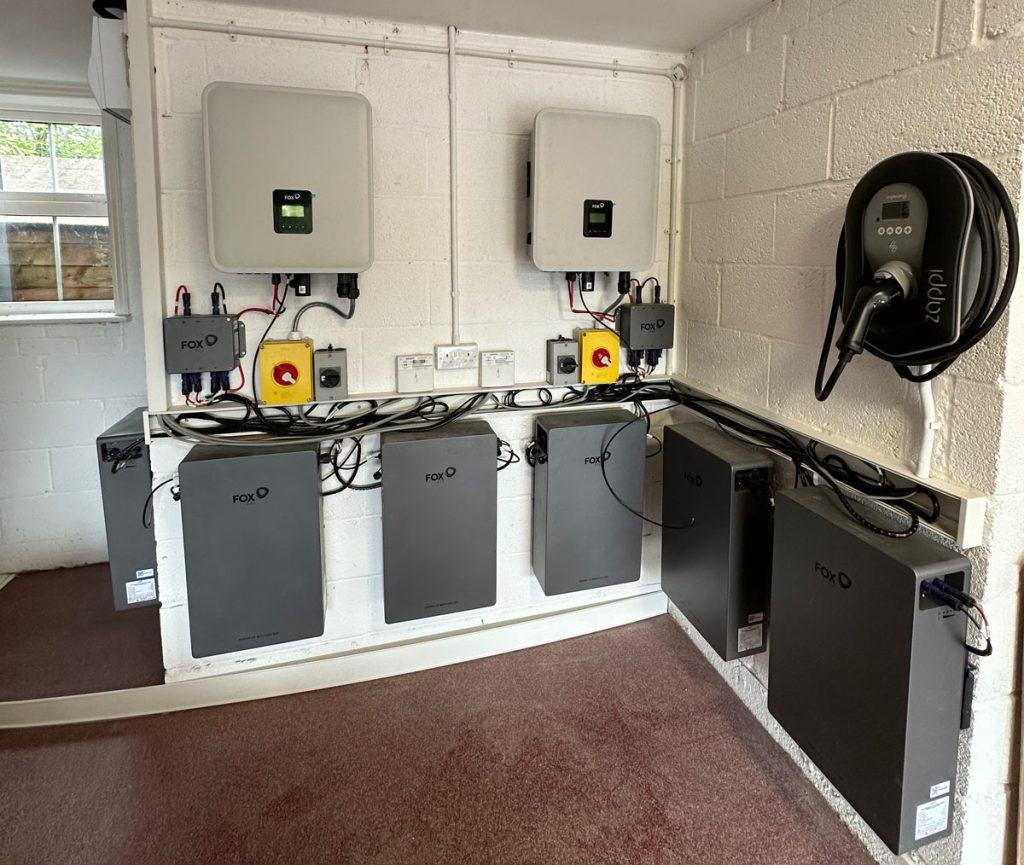
Solar panels have become a common sight on Australian homes, but an increasing number of homeowners are now looking beyond generation to storage. A solar battery allows you to save the energy your panels produce during the day and use it at night or during periods of high demand, dramatically reducing your reliance on the grid.
With electricity prices continuing to rise and grid reliability a concern in some regions, the appeal of energy independence is easy to understand. Adding battery storage to a solar system transforms it from a daytime-only benefit into a full-day energy solution, allowing households to make the most of every kilowatt-hour their panels generate.
How solar batteries work in a home system
A solar battery connects to your solar inverter and stores excess energy that would otherwise be exported to the grid, often at a far lower rate than you pay to purchase power. When your panels stop producing, typically in the evening, the battery discharges and powers your home automatically. The transition between solar, battery, and grid is usually seamless.
Modern batteries use lithium-ion chemistry, which offers excellent energy density, long cycle life, and low maintenance requirements. Lithium iron phosphate variants are particularly popular for home use due to their superior safety profile and longevity. Understanding the chemistry underlying your battery helps you ask the right questions when comparing products from different manufacturers.
Consulting a qualified solar specialist before purchasing helps you understand the technical specifications that matter most for your home. A good explanation of how a solar power battery integrates with your existing or planned solar system can prevent costly mismatches between panel capacity, inverter type, and battery size, ensuring your system performs as expected from day one.
Key factors to consider when choosing a battery
Storage capacity is the most obvious factor, measured in kilowatt-hours. A larger battery stores more energy, which is useful for households with high evening consumption or those wanting to maximise their independence from the grid. However, larger batteries also cost more, so it is important to match capacity to your actual usage patterns rather than simply buying the biggest available.
Usable capacity differs from total capacity, as most batteries only allow you to discharge a certain percentage of their total storage. A battery with ten kilowatt-hours of total capacity may only deliver eight usable kilowatt-hours in practice. Understanding this distinction allows for meaningful comparisons between products that may quote their numbers quite differently in marketing materials.
Warranty terms are also critically important, as they determine how much of the battery’s original capacity the manufacturer guarantees over time. Most quality batteries come with ten-year warranties that guarantee a minimum remaining capacity at the end of that period. Comparing warranties carefully, not just headline prices, will help you make a financially sound choice.
Battery options currently available in Australia
Several well-regarded battery products are available to Australian homeowners. Each has distinct characteristics in terms of chemistry, capacity options, compatibility with inverters, and smart management features. Some batteries are designed to work exclusively with specific inverter brands, while others offer greater flexibility in terms of integration with existing solar systems.
The solar industry, like many others, increasingly relies on digital communication to help consumers make informed decisions. Solar installers who invest in their online presence, including content marketing efforts whose benefits of blogging are well documented, are typically more accessible, better informed, and more willing to educate customers about the technical details that influence battery selection and system performance.
Local installers often have strong relationships with manufacturers and can provide advice tailored to your region’s climate and grid conditions. The performance of a solar battery can vary depending on temperature and usage patterns specific to where you live, making local expertise a genuinely valuable input when selecting a system for your home.
Understanding costs and financial returns
The upfront cost of a solar battery system in Australia typically ranges from several thousand to over fifteen thousand dollars depending on brand, capacity, and installation complexity. Government rebates and virtual power plant incentive programs can significantly reduce this cost in some states, making it worthwhile to investigate what is available in your area before purchasing.
The financial payback period for a battery depends on your electricity tariffs, usage patterns, and how much solar energy you currently export. Households with high evening consumption and good solar production typically see the fastest returns. A reputable installer should be able to provide a realistic payback estimate based on your specific circumstances and current energy bills.
Getting the most from your solar battery system
Maximising the value of your battery investment requires matching your energy usage patterns to the system’s capabilities. Running appliances like dishwashers and washing machines during peak solar production hours ensures your battery enters the evening fully charged. Smart home devices and energy monitoring apps can help you optimise these habits over time.
Regular monitoring of your system’s performance helps you identify any issues early and ensures the battery is operating within expected parameters. Most modern batteries include apps or monitoring platforms that display energy flows in real time. Reviewing this data periodically helps you understand your energy usage and identify any changes that might affect your system’s performance.

